The Gear, the Bill, and a Six-Month Nights-and-Weekends Plan
The spec is done, which means today is the dangerous day: I hit buy. But the cart looks different from the plan — because while I was sketching the handheld base station, I found out somebody already builds it.
The head start
The cloud is done. The reference IoT stack I open-sourced — IoT Core, device-cert provisioning, ingest, DynamoDB, a dashboard — already accepts a real device with near-zero change. The collar just publishes pet telemetry (lat, lon, battery, activity) instead of tool telemetry. That's months of backend I don't have to write.
The shortcut I didn't expect: the Wio Tracker L1
I'd specced the base station as a handheld-in-a-cradle — screen, GPS, LoRa, battery, a button or two. Turns out that's a shipping product: the Wio Tracker L1, sold as a ready-to-use Meshtastic handheld, pre-flashed, FCC-certified, in a two-pack.
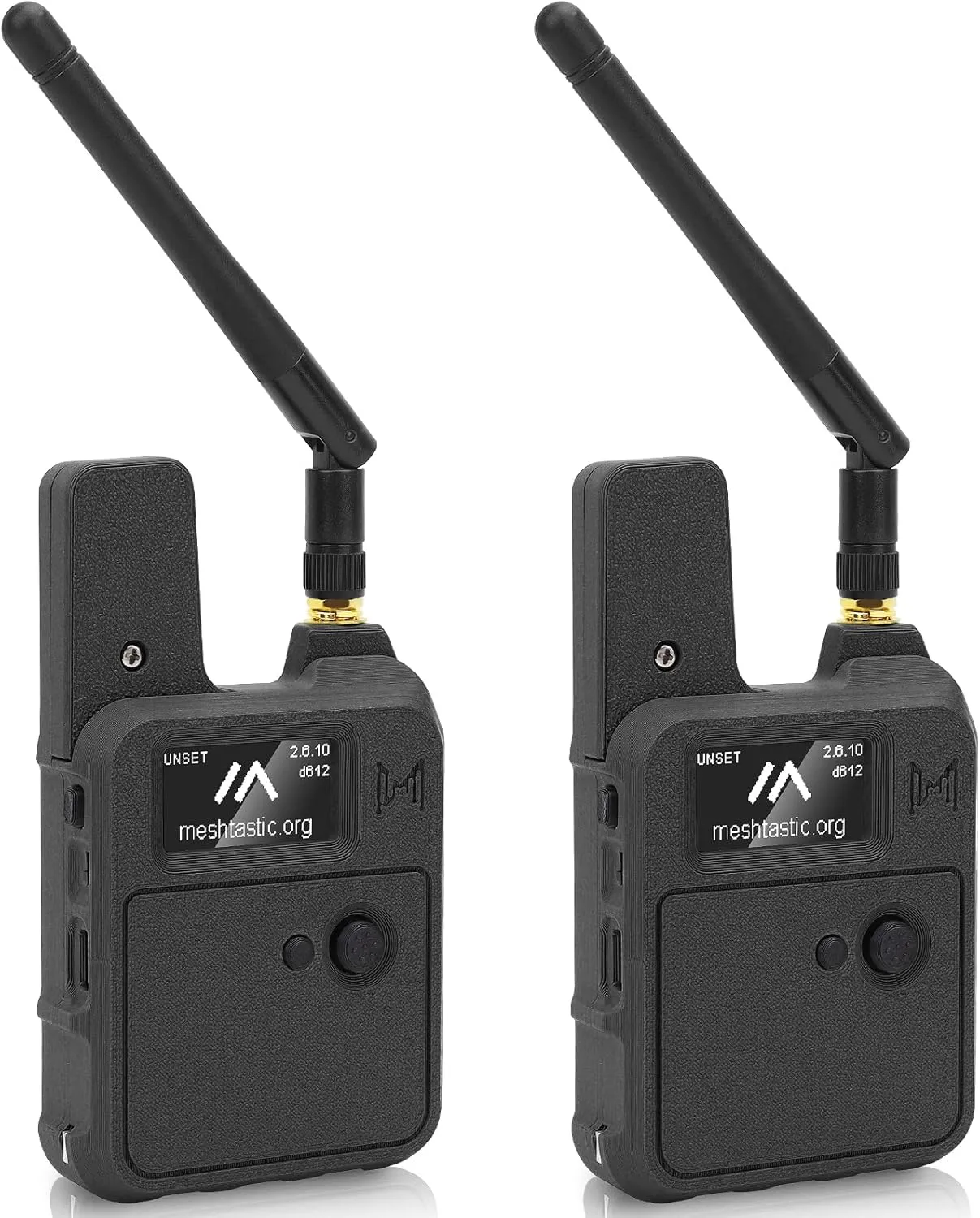
The spec reads like I wrote it for myself:
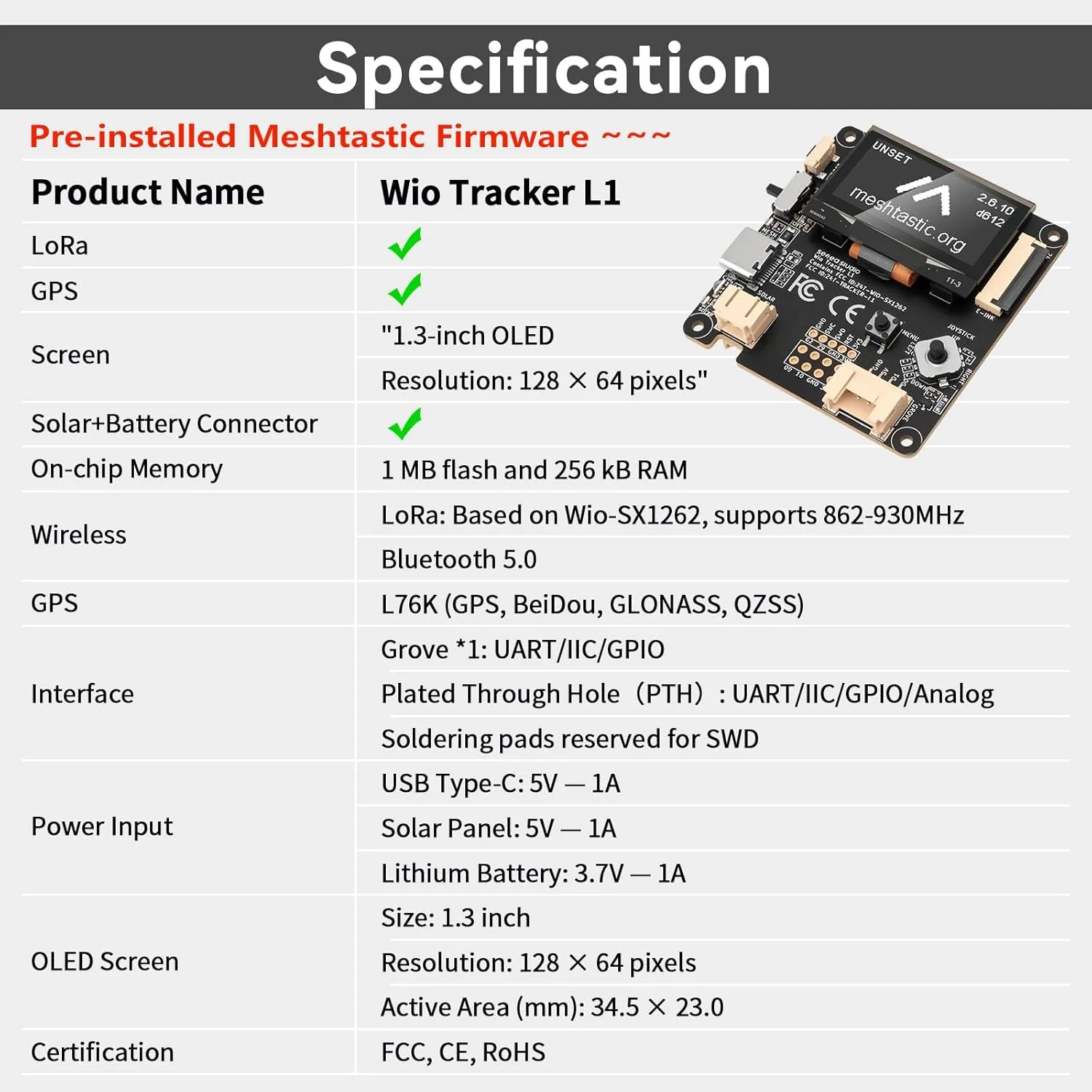
- nRF52840 + Wio-SX1262 (862–930 MHz) — the same chip family as the collar I'm going to build, so one firmware codebase covers both, and the reserved SWD pads mean the nRF9160 DK I already ordered can debug it.
- L76K multi-GNSS, 1.3" OLED, onboard buzzer, 3000 mAh + solar + USB-C. Everything the base station needs, including the beeper for the "he got out" alert and the proximity search.
- Grove + plated-through-hole I/O — I can hang an I²C sensor off it without soldering if I want to prototype the collar's heat-risk sensing on the bench.
- Pre-flashed with Meshtastic — which is the whole point of starting here.
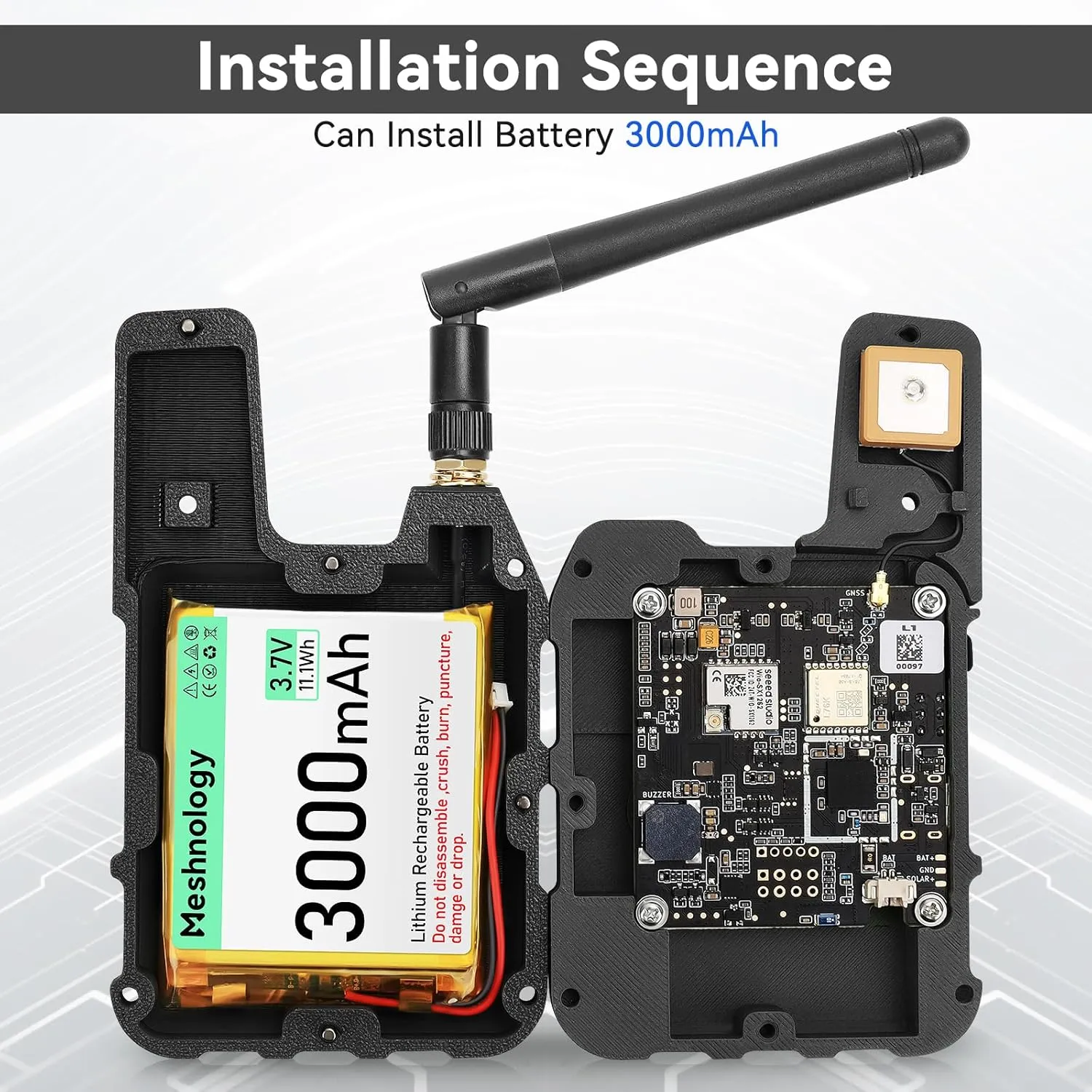
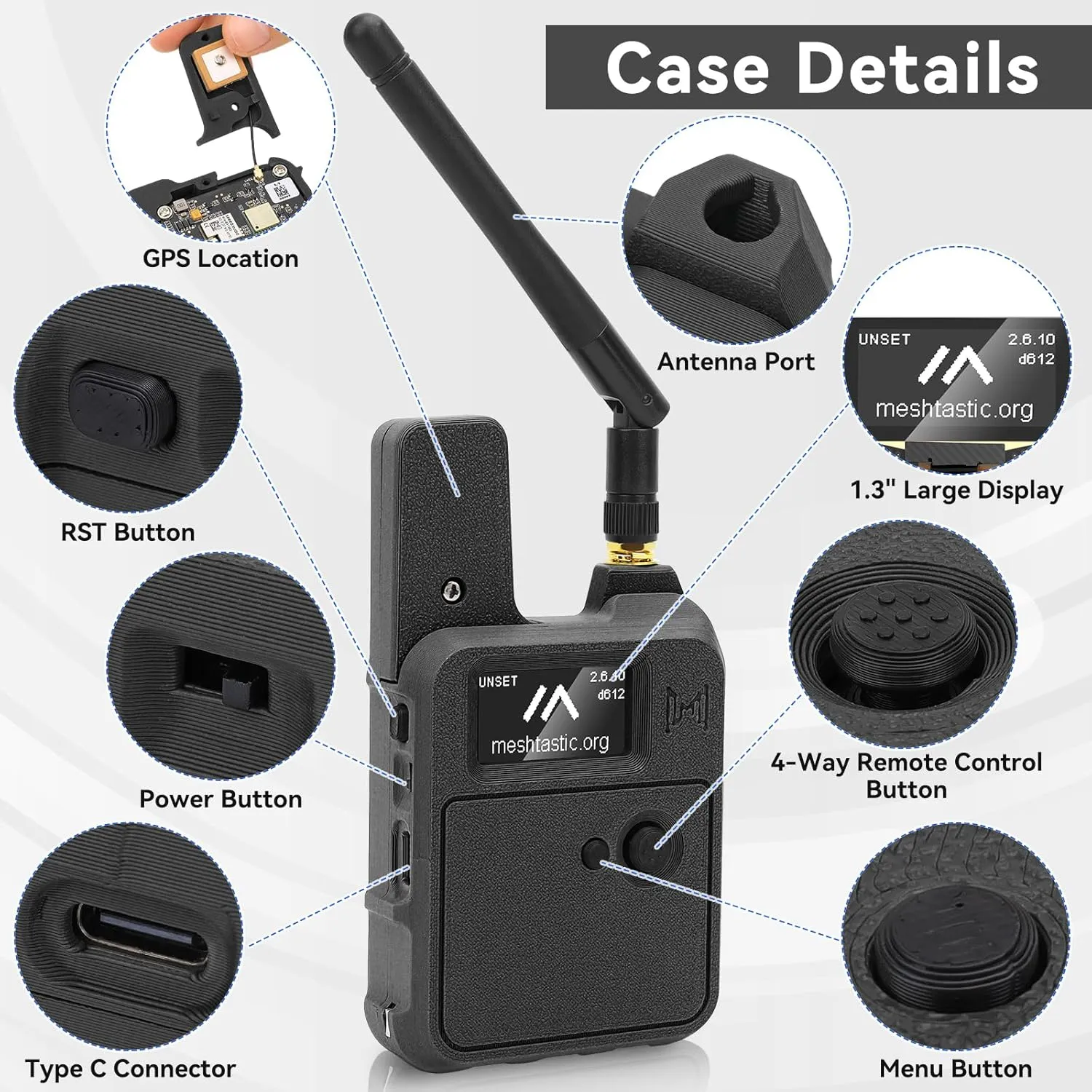
Because it's pre-flashed and comes as a pair, it isn't just the base station — it's my entire proof-of-concept. One on Quark, one in my hand, and I can watch him move on a phone map over Bluetooth the day it arrives. No firmware, no soldering, no waiting. That's the right first dollar.
The order, reordered around the PoC
1 — Proof-of-concept + base station (ordered today, arrives tomorrow):
- Meshnology Wio Tracker L1, 2-pack (Amazon) — base unit + test node, pre-flashed Meshtastic.
2 — The collar build kit (RAK — this was the original plan; I'll revisit it once the PoC proves the range is real):
| Qty | Part | Price |
|---|---|---|
| 2 | WisBlock Meshtastic Starter Kit, US915 (SKU 116016 — base + RAK4631 core) | ~$64 (buy-2 −8%) |
| 2 | RAK12500 GNSS — u-blox ZOE-M8Q | $51.24 (buy-2 −5%) |
| 1 | RAK1904 3-axis accelerometer — ST LIS3DH | $7.97 |
| 2 | RAK1901 temp/humidity — Sensirion SHTC3 | $14.36 (buy-2 −20%) |
Plus a passive piezo buzzer (Amazon) and LiPos (Adafruit). The RAK4631 inside that starter kit is the same nRF52840 + SX1262 as the Wio L1 — so whatever firmware I prove on the PoC carries straight to a custom collar.
3 — Cellular (already ordered, for phase 2):
- Nordic Thingy:91 + nRF9160 DK (~$295, DigiKey). The DK doubles as my debugger for everything above.
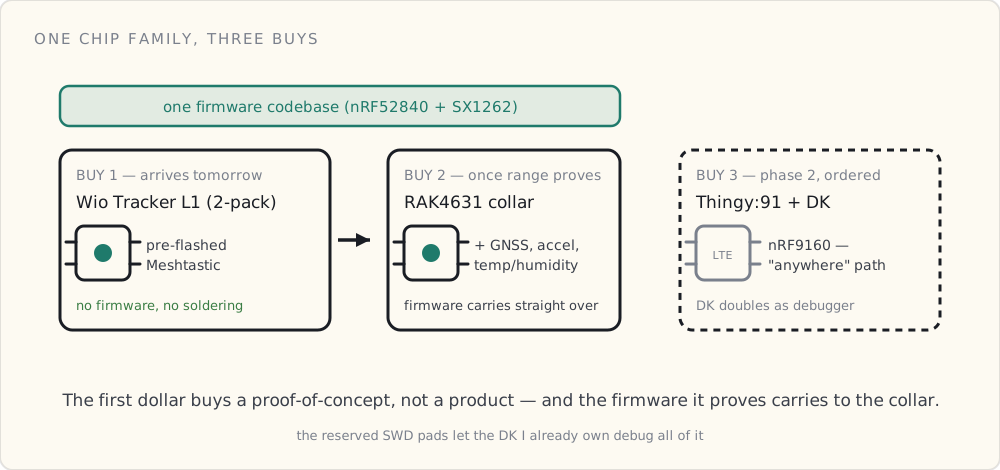
The thread that ties the first two buys together is the silicon: the Wio L1 and the RAK4631 collar are both nRF52840 + SX1262, so the firmware I prove on the proof-of-concept is the firmware the custom collar runs. Cellular is the one part on a different chip — and it's deliberately last.
The phases, and what each one has to prove
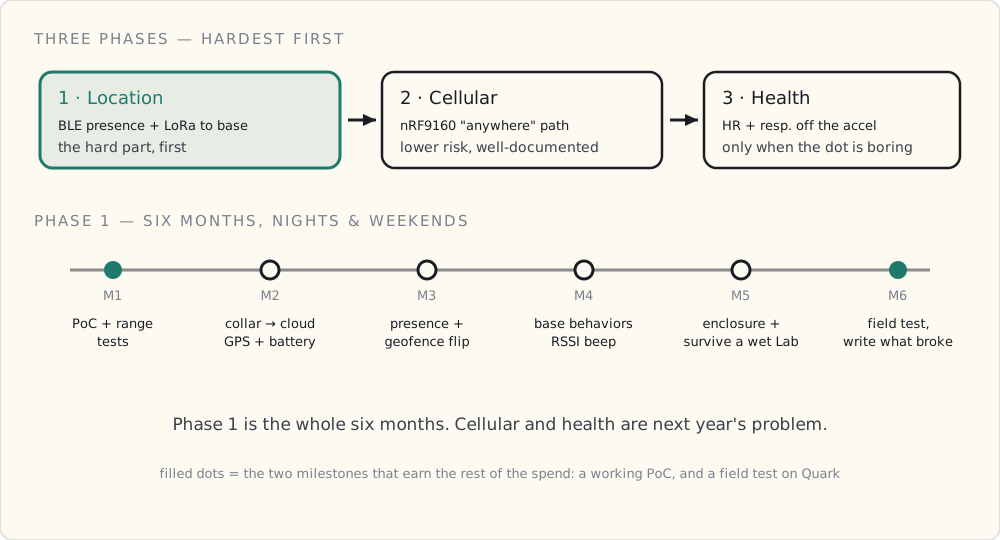
- Location — BLE + LoRa. Presence at home, the geofence flip to findable mode, collar → base over LoRa, data into the existing cloud, beep + proximity search. The hard part, first.
- Cellular. Swap in the nRF9160 path for the "anywhere" collar. Lower risk — a well-documented road.
- Health. Resting heart rate and respiratory rate off the accelerometer the collar already carries. Only after the dot is boringly reliable.
The honest timeline
Six months, evenings and weekends, shipping delays included. Phase 1 only — cellular and health are next year's problem.
| Month | Goal |
|---|---|
| 1 | Wio L1 two-pack PoC — one on Quark, range tests around the neighborhood and on a trail, GPS → phone map |
| 2 | RAK4631 collar publishing GPS + battery into the existing IoT Core stack |
| 3 | BLE home-presence + geofence-exit flip to findable mode; the power budget that makes "months" real |
| 4 | Base station behaviors: home listener, grab-and-go gateway, RSSI proximity beep |
| 5 | Enclosure + collar mount + charging; survive a wet Lab |
| 6 | Field test on Quark; write up what broke |
Step one isn't a product. It's a proof-of-concept that earns the rest of the spend — before I commit to building a collar, I want to know the range and the GPS-to-phone loop actually hold up in my yard and on my trails.
Next: a scorecard, not a vibe
Which is exactly why the next post won't be "look, a dot moved." It'll be a test plan with a scorecard — range, time-to-first-fix, battery drain, in-house presence reliability — so the decision to build the real collar is made on numbers, not excitement. The boxes land tomorrow. The notebook turns into a real build log from here — the parts that work, and the parts that don't.