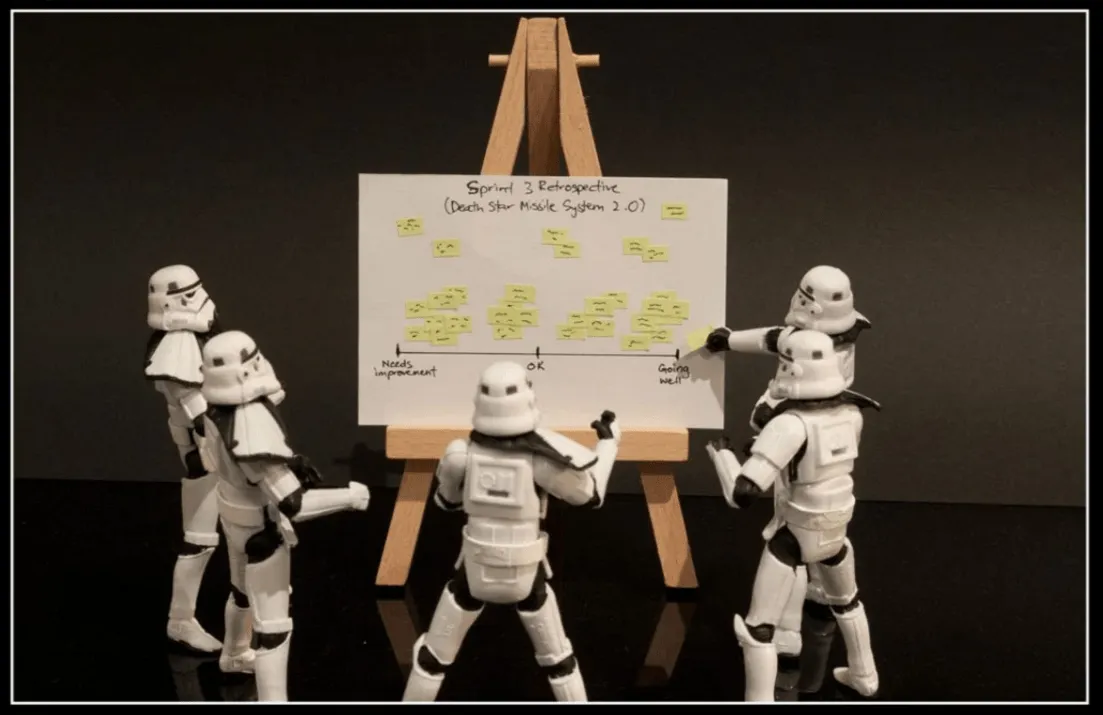
New: Agile Retrospectives — Make Good Teams Great
New course just dropped: Agile Retrospectives — Make Good Teams Great. Self-paced, pre-recorded, open enrollment.
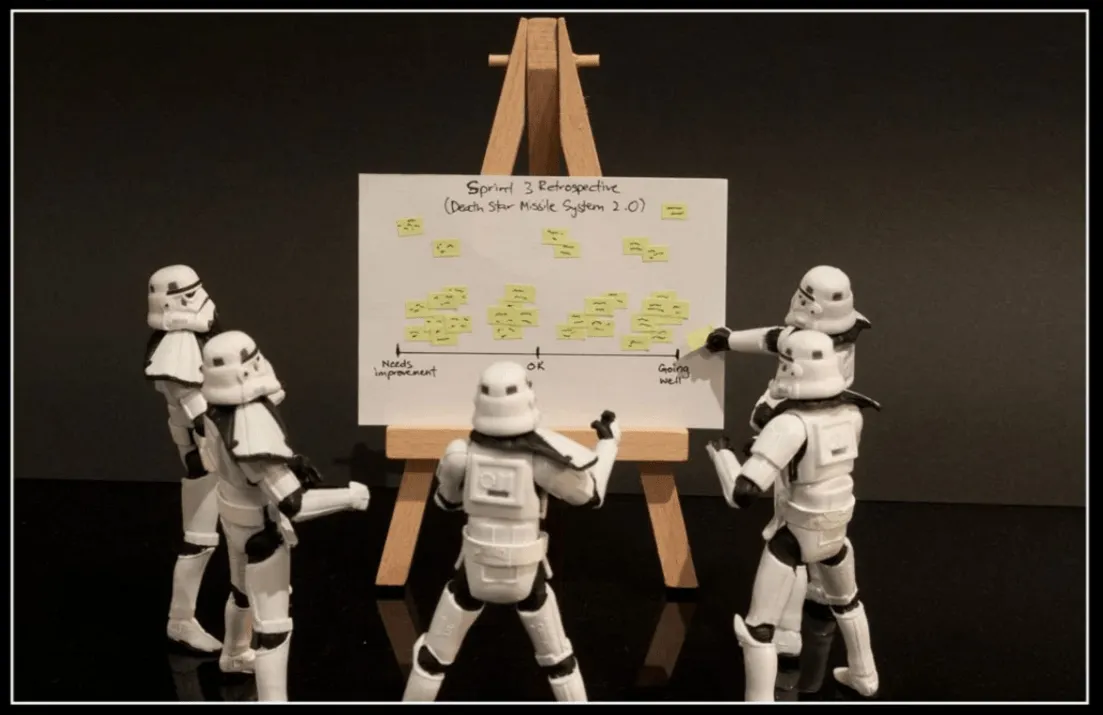
Real talk: most retros I've sat through have been a polite 60-minute conversation about "what could we do better" followed by zero behavior change in the next sprint. The format is broken — too vague, too consensus-driven, and missing the part where someone actually owns a thing that happens by Tuesday. This course is the antidote.
The five phases (and yes, one of them is called Pancake)
Every well-run retro moves through five distinct phases. Most teams do two of them well and skip the rest. The course walks through each:
- Set the right direction — frame the retro before it starts, or it drifts into therapy
- Get all the issues on the table — including the ones nobody wants to name in front of leadership
- Gather insights — the why behind the issues, not just the list
- Make decisions — narrow to the 1-3 changes the team will actually try
- Apply the changes — own them, schedule them, re-review them next sprint
I teach two formats with goofy names that work — Starfish and Pancake. Yes, they sound ridiculous. Yes, they work. You'll use the right one for the right moment after you see them once.
Who this is for
- Scrum Masters who feel like the retro is the part of agile they have to defend the hardest
- Engineering managers running cross-functional retros where half the room codes and half the room doesn't
- Tech leads trying to fix the team's "we keep raising the same issue and nothing changes" loop
- POs who want their teams to graduate from blame-retros to improvement-retros
What you'll be able to do after
- Run a retro that produces 1-3 action items, owners, and re-review dates
- Spot the four common retro failure modes (consensus, vagueness, blame, churn) and unblock each
- Vary the format so the retro doesn't go stale by sprint 12
- Close the loop — the bit nobody teaches — so last sprint's improvements actually compound
→ Take the course
Self-paced, pre-recorded, open enrollment.
Big thanks to every team that suffered through a bad retro and let me try a different format the following week. The Pancake format came from one of those sprints; the team that named it knows who they are. Thank you. You made the course possible.
Why the formats have ridiculous names (and why that matters)
Starfish has five points: keep doing, more of, less of, stop doing, start doing. The name is the mnemonic. Six months from now you'll remember "starfish" when you'd never remember "the five-axis behavioral adjustment matrix."
Pancake has three layers — issue / insight / action — stacked. You write each layer on its own sticky color. The team sees the pancake on the wall and knows immediately whether the stack is balanced (good) or top-heavy with issues but no actions (bad).
The names sound silly. They survive sprint 12. That's the entire point.
The retro failure modes the course explicitly diagnoses
The blame retro. Conversation focuses on which person broke what. Course remedy: reframe issues as system issues, not individual issues — the prompt is always "what part of how we work let this happen" not "who let this happen."
The vagueness retro. "We should communicate better." Translated to action items: nothing. Course remedy: every issue gets pushed to a concrete observable behavior change before it's allowed off the board.
The consensus retro. Group agrees on a soft action item that nobody hates, nobody loves, nobody owns. Six weeks later nobody can remember it. Course remedy: max 3 action items, single named owner, fixed re-review date.
The repetition retro. Same five issues every sprint, no progress. Course remedy: a sprint zero retro that resets the issue list, plus the closing-the-loop ritual that surfaces which historical issues have actually moved.
Self-paced, pre-recorded, open enrollment.